Blog

  • Ghana and the Weather Test: Why Heat, Trust and Data Will Decide the Next Vaccine Rollout

    Ghana and the Weather Test: Why Heat, Trust and Data Will Decide the Next Vaccine Rollout

    Ghana became something of a running theme at the Nairobi meeting, invoked again and again by researchers from other countries.  

    Through its leadership of the vaccine demand work package and its record as the consortium’s clearest example of research translating into policy, Ghana kept reappearing as the reference point other countries were told to learn from. 

    Dr Kwaku Poku Asante, public health physician and Director of the Kintampo Health Research Centre (KHRC), adds a dimension to that record that rarely features in vaccine policy conversations. The weather. 

    Heat, distance and the mechanics of uptake 

    The heat, Dr Asante argues, is an active barrier to vaccination campaigns.  

    “When the environment is very hot, nobody really wants to go out,” he says, and that reluctance is not evenly distributed. It compounds existing problems in areas with poor ventilation at health facilities and in communities where people already have to walk long distances to reach a delivery point. A hot day discourages a trip to the clinic and for a mother balancing that walk against a fussy infant and a queue once she arrives, it can tip the decision altogether. 

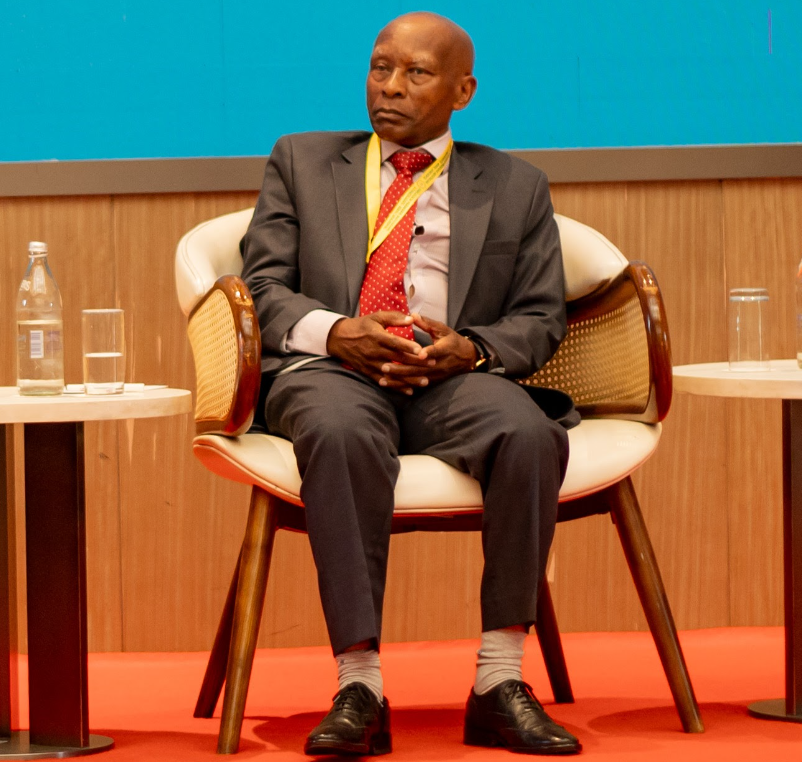
    Dr Kwaku Poku Asante, Director, Kintampo Health Research Centre (KHRC), Ghana (Photo: Timon Abuna, WHM)

    Heat also threatens the vaccines themselves, and Dr Asante points out that in periods of extreme heat, even air conditioning units can fail, which means the safety of vaccine storage has to be actively evaluated rather than assumed.  

    Cold chain systems are typically designed and tested against a set of standard conditions; when those conditions are exceeded for sustained periods, the question of whether vaccines are being kept at the correct temperature at the point of delivery becomes urgent rather than theoretical. It is a concern that sits awkwardly alongside Ghana’s institutional strengths in vaccine demand and policy translation, a reminder that readiness is not only about health workers and government buy-in but about whether the infrastructure can physically withstand the climate it operates in. 

    New vaccines succeed or fail on whether communities understand the evidence behind the decision to offer them.  

    “People have to understand the data that backs the decision to give the vaccine to children or to mothers,” says Dr Asante adding that building that understanding requires community engagement, open discussion of the data itself, and a genuine process of gathering feedback and acting on it.  

    Skip any one of those steps, in his account, and both uptake and trust suffer together, since the two rise and fall in tandem. 

    This framing echoes what Dr Samuel Afari-Asiedu, also of Kintampo Health Research Centre and overall lead of MIRNA’s vaccine demand work package, presented to the Nairobi meeting. Afari-Asiedu explained the consortium’s decision to combine three behavioural frameworks, the WHO’s Behavioural and Social Drivers model, the socio-ecological model and the 6A taxonomy, rather than rely on a single lens, arguing that a mother’s decision operates simultaneously at the individual, household and health-system level. No single framework, he said, captures all three at once. He also described a deliberate process of what he called deduction and induction coding, designed to avoid forcing every research finding into a pre-existing theoretical box before the community’s own voice had been properly heard. 

    From research to policy, without the usual delay 

    Ghana’s most cited achievement at the meeting was not a dataset but a process. Both Dr Afari-Asiedu and UNICEF’s Gloria Lihemo held Ghana up as the consortium’s clearest example of research translating directly into policy. The Ghana Health Service’s EPI focal person was involved from the very start, sitting in on the user-centred design workshop that shaped the demand research. As soon as that workshop concluded, the MIRNA team’s findings were handed directly to her and incorporated into Ghana’s national demand strategy. Lihemo described this as proof that demand data can inform national immunisation technical advisory group and ministry decisions before other evidence is reviewed, rather than arriving as an afterthought once policy has already hardened. Uganda and Ghana were cited together as models other countries, including Uganda’s own team, would benefit from replicating with their national EPI focal points. 

    Ghana’s history was not presented as uniformly smooth, however. Dr Afari-Asiedu cited the country’s experience introducing the RTS,S malaria vaccine as a cautionary tale worth heeding. Rumours about the vaccine spread quickly enough that some health workers themselves refused to allow children to be vaccinated, requiring direct intervention from within the health system to counter the misinformation before it took hold more widely. It is a case study that sits close to Asante’s point about the mechanics of trust: even a well-resourced, well-governed system can be destabilised quickly if communication lags behind rumour. 

    To guard against that risk, Samuel proposed reactivating Ghana’s health promotion department, an existing structure specifically mandated to lead health education and demand generation, but one he described as currently underused. His argument was that relying solely on antenatal care visits for counselling places too much weight on a single, already stretched channel, and that a dedicated department could offer a steadier, more sustainable route for sustained public communication. 

    Watching what happens after the vaccine arrives 

    Dr Asante’s second major theme concerns what happens once a new vaccine is actually rolled out. Strong systems to identify the impact of a newly introduced vaccine, he argues, serve two distinct purposes. They confirm whether uptake is genuinely high, and they help determine what impact the vaccine is having within the community once it is in circulation. Population surveillance systems are, in his words, particularly valuable in places with the infrastructure to support them, and in areas where new vaccines have already been introduced, those surveillance systems have been deliberately strengthened to keep pace with the rollout. Health facility data systems need the same attention, he says, to ensure information is captured appropriately and is of sufficiently good quality to be trusted. 

    The payoff, in Dr Asante’s account, runs in several directions at once. Better surveillance and facility data improve vaccine confidence more broadly. They give regulatory authorities the tools to identify safety concerns early, and they give policymakers the evidence base they need to enhance delivery going forward. It is a closed loop, better data builds trust, trust supports uptake, and uptake in turn generates the data that keeps the whole system honest. 

    Ghana’s contribution to MIRNA, taken together, complicates the usual story of vaccine readiness as a matter of policy will and cold chain logistics alone. Asante’s account adds climate resilience and sustained community dialogue to that list, while Dr Afari-Asiedu’s framework work and Ghana’s own record of feeding research directly into policy show what disciplined follow-through can look like in practice.  

    A new vaccine can only travel as far as the trust, the temperature control and the willingness to keep listening will carry it. 
  • Bangladesh’s private-sector puzzle: What it will take to introduce a maternal vaccine 

    Bangladesh’s private-sector puzzle: What it will take to introduce a maternal vaccine 

    Bangladesh often gets held up as one of the great immunisation success stories of the last half-century.  

    Its Expanded Programme on Immunisation (EPI), launched in 1979, took childhood coverage from around 2 percent at the outset to more than 80 percent today, was certified polio-free in 2014, and has eliminated maternal and neonatal tetanus.  

    Yet according to Aniqa Tasnim Hossain, an Associate Scientist at the International Centre for Diarrhoeal Disease Research (ICDDR ,B) who has been working on the MIRNA Consortium’s situational analysis for Bangladesh, that record of success masks a structural problem that will shape how, and whether, any new maternal vaccine reaches the women who need it. 

    “We in Bangladesh, two-thirds of the women actually go to take Antenatal Care (ANC care) from private facilities and they do not go to public facilities,” she explains. 

    Bangladesh’s Expanded Programme on Immunisation (EPI) system, however extensive its outreach network of more than 130,000 centres, was built around the public sector. If most antenatal care happens somewhere else entirely, a maternal vaccine strategy that ignores private providers is, in effect, designing for a minority of pregnant women. 

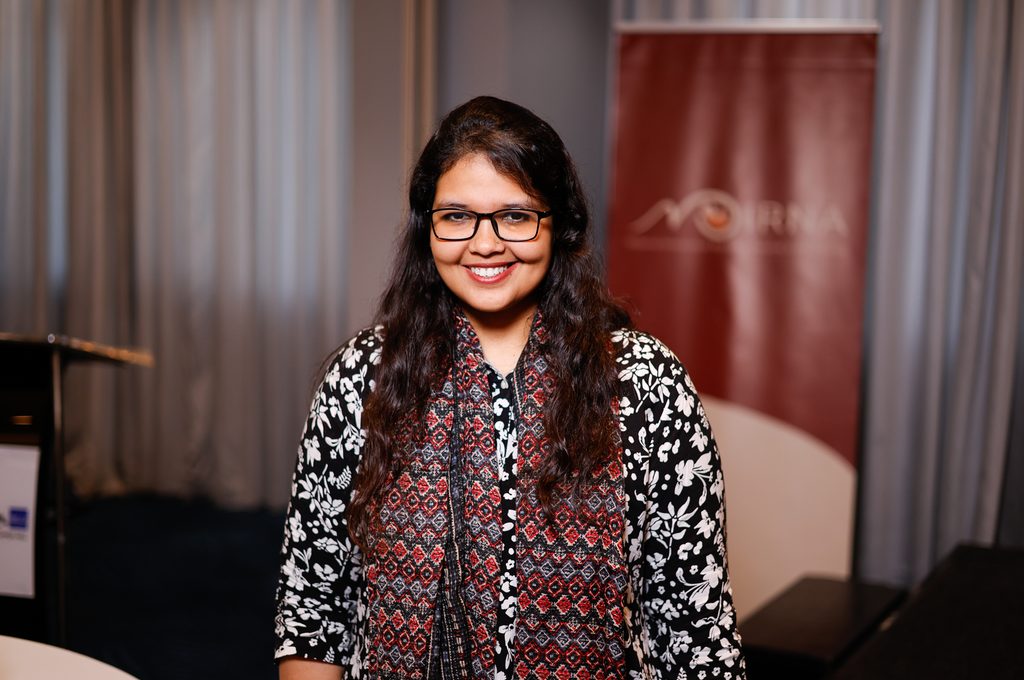
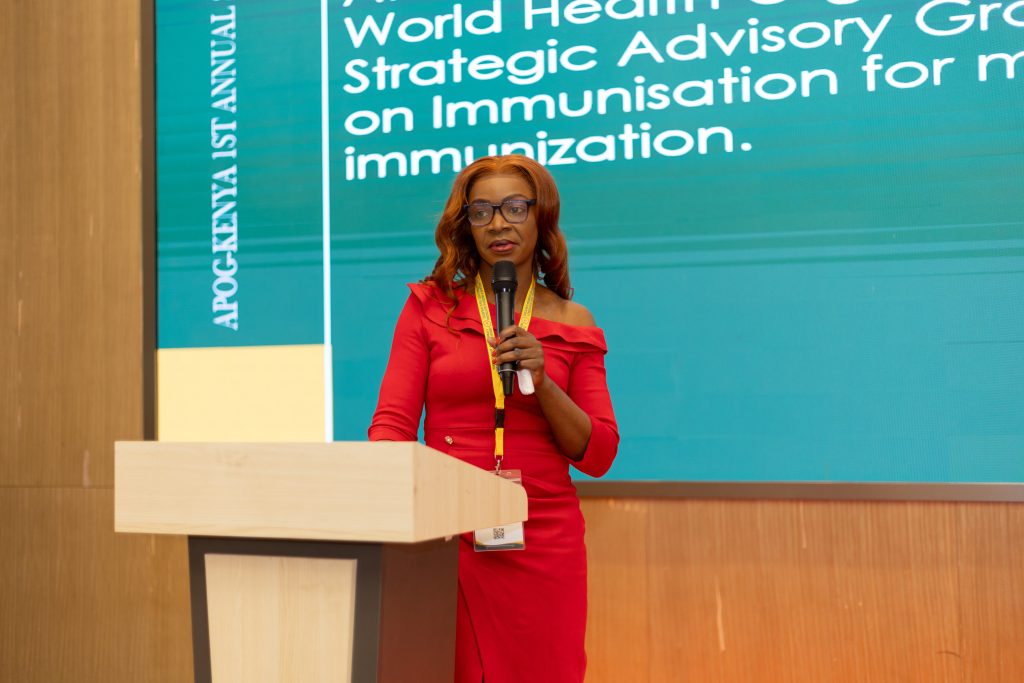
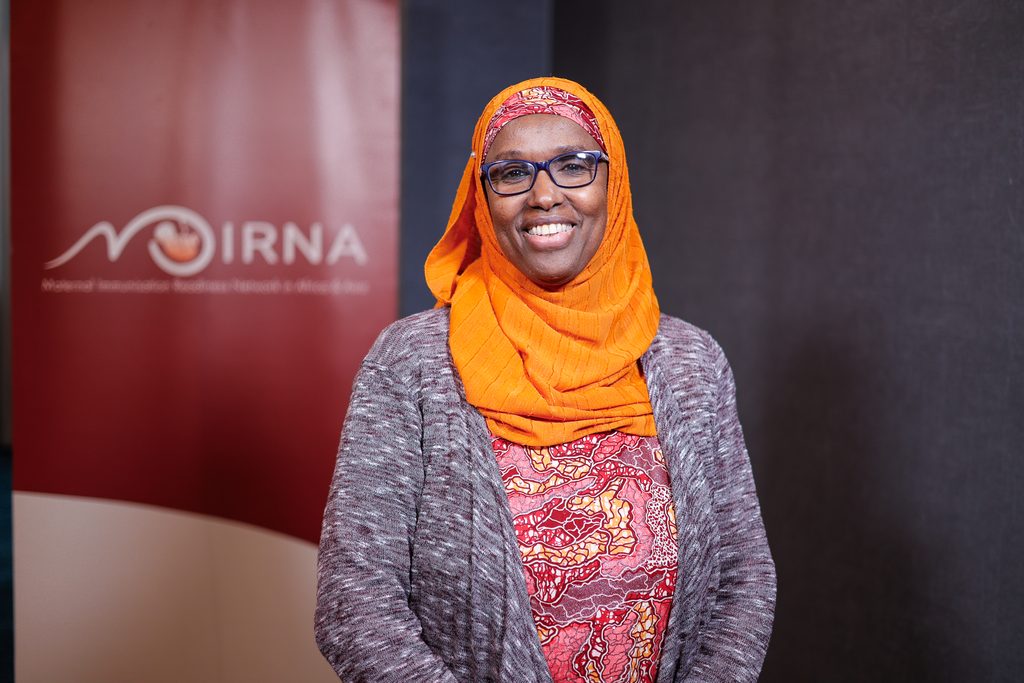
    –Aniqa Tasnim Hossain, an Associate Scientist at the International Centre for Diarrhoeal Disease Research (ICDDR ,B) (Photo: Timon Abuna, WHM)

    “At the private facilities there are gaps, and there are a lot of private facilities that are in place,” Hossain says. A 300-facility assessment carried out by the Bangladesh team found shortfalls in both public and private settings, particularly around the accurate recording of gestational age, a detail that matters far beyond bookkeeping, since it determines whether a vaccine like one for respiratory syncytial virus (RSV) is given within its narrow window of effectiveness.  

    Multiply that gap across thousands of scattered private clinics, and the logistical challenge becomes clear. “So when introducing a vaccine, a maternal vaccine, we have to consider these private facilities,” Hossain notes, “but this is going to be very challenging because providing vaccines to so many ANC clinics would be very difficult.” 

    This is not a uniquely Bangladeshi dilemma. A recent WHO-supported scoping review of maternal and child health delivery in low- and middle-income countries found that the private-for-profit and NGO sectors are already contributing meaningfully to immunisation delivery, and that in many settings the for-profit sector is often the first to adopt new vaccines and technologies. The same review notes that public health efforts have historically concentrated on the public sector almost by default, even where private provision dominates, precisely the mismatch Hossain describes for Bangladesh. Strengthening both sectors together, rather than treating the private sector as an afterthought, is increasingly recognised as necessary for anything approaching universal coverage. 

    “Another thing is that more frequently the EPI and ANC are not well integrated or well connected,” Hossain says. “So, they are working in silos. So they need to be sort of linked up.”  

    This is, in fact, the same structural gap identified by MIRNA’s Pakistan team, where vertically funded, donor-specific programmes have made horizontal integration difficult once systems are already built around separate silos. WHO’s own Maternal Immunisation and Antenatal Care Situational Analysis (MIACSA) project, run with support from the Bill and Melinda Gates Foundation, reached a similar conclusion. This was after mapping tetanus vaccination programmes across multiple LMICs, integration is generally strongest at the point of care, where the same health workers often deliver both antenatal and immunisation services, but weakest at the national and policy level, where separate funding streams and separate lines of accountability pull the two apart. Concerted coordination at the national level, the project concluded, is critical if new maternal vaccines are to be added successfully to existing platforms. 

    Modelling work following on from that agenda has reinforced the case for closing the gap rather than living with it. Recent analysis of ANC-mediated benefits of maternal immunisation across five LMICs found that integrating vaccination into the antenatal platform produces positive knock-on effects for maternal and child health more broadly and that countries starting from lower baseline coverage, of the kind Bangladesh records for its TT/TD proxy vaccine (currently 58 percent, against roughly 93 percent for at least one ANC visit), stand to gain the most from closing that structural gap. 

    Yet for all these system-level barriers, Hossain returns repeatedly to a more human factor trust. “Generally, pregnant mothers would accept a vaccine if it is being told by a healthcare provider who they trust,” she says. “So trust is a very big factor here.”  

    Her team’s work identified distinct dimensions to that trust confidence in the health system as a whole, trust in government, and, crucially, familiarity built through years of contact with the same local vaccinators.  

    “They trust the system, they have trust in the government, and they also know the provider for a long time,” Hossain says. “So maybe that’s why they trust a lot, so that trust actually supports them to accept the vaccines.” 

    This chimes closely with WHO’s own Behavioural and Social Drivers of Vaccination (BeSD) framework, developed with SAGE, its Strategic Advisory Group of Experts on Immunisation. The framework identifies “thinking and feeling” including confidence in vaccine safety and in the health system delivering it as one of four core domains shaping uptake, alongside social processes, motivation and practical access.  

    Reviews applying the BeSD framework across multiple settings have consistently found that health workers are among the most trusted sources of information on immunisation, and that a recommendation from a familiar provider can be decisive in a caregiver’s decision, while poor communication or a rushed encounter can erode confidence quickly, even where baseline trust is high. 

    For Bangladesh, Hossain’s conclusion draws these threads together into a single, practical instruction for the introduction of any new maternal vaccine. “I think when we’re developing a vaccine demand strategy, we really have to think about that trust and how we build on the introduction of the vaccines using that trust.”  

  • From the Labour Ward to the Genome: One Doctor’s Mission Against Pre-Eclampsia 

    From the Labour Ward to the Genome: One Doctor’s Mission Against Pre-Eclampsia 

    By morning, Professor Annettee Nakimuli may be teaching the next generation of doctors. By afternoon, she is on a labour ward in Kampala, managing some of the highest-risk pregnancies in East Africa. By night, her mind is often on a genome. Few people move between the delivery room and the genetics laboratory as comfortably as she does, and fewer still have changed what the world knows about a disease because of it. 

    She is Dean of Makerere University’s School of Medicine, the oldest medical school in East Africa, and President of the East, Central and Southern Africa College of Obstetrics and Gynaecology. Titles like these usually take a clinician away from the bedside. Hers have not. She still practises high-risk obstetrics at Mulago Specialised Women’s and Neonatal Hospital and Kawempe National Referral Hospital, where birth volumes rank among the highest in sub-Saharan Africa. 

    Then there is her PhD, mentored by Professor Ashley Moffett at the University of Cambridge, she led the first genetic case-control study of pre-eclampsia among indigenous Africans. The findings upended long-held assumptions about why the condition hits African women so hard. Clinician first, scientist always: that double life shapes everything she says about the disease she has spent her career fighting. 

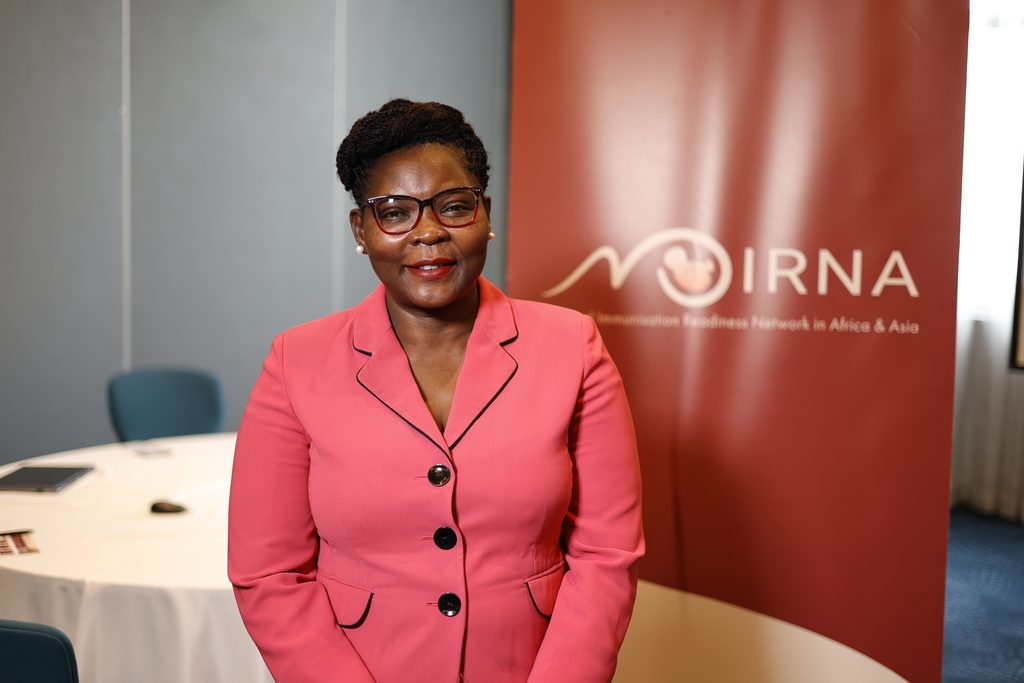
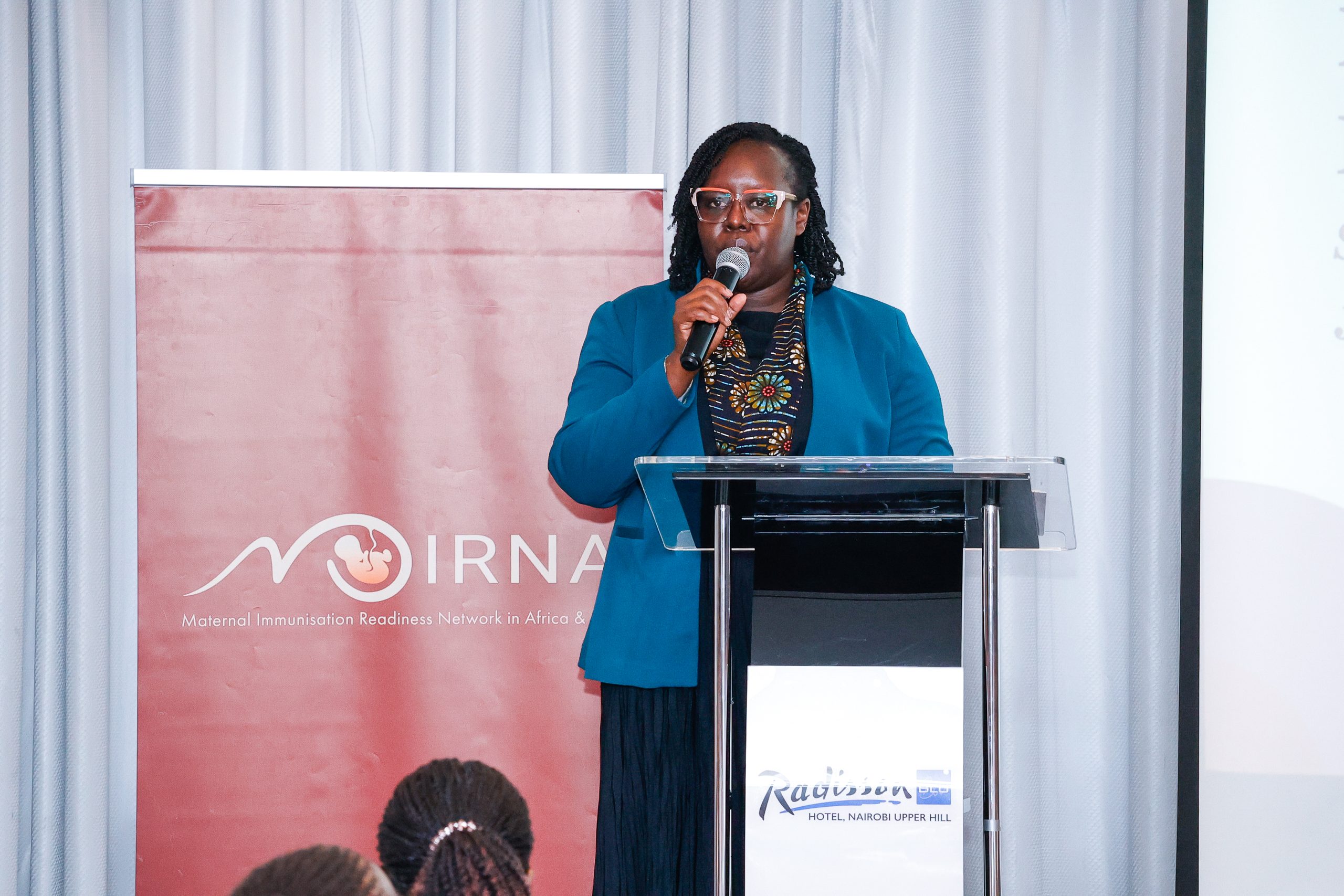
    –Professor Annette Nakimuli Dean, Makerere University’s School of Medicine, MIRNA Principal Investigator  (Photo: Timon Abuna, WHM)

    A killer hiding behind late presentation 

    “I have for over twenty years research been a clinician scientist and researched some of the common problems that affect pregnant women in Africa, where we have the highest burden of maternal death,” she said. “Over 70 per cent of maternal death globally happen in Africa.” 

    Within that broader crisis, one condition has held her attention above all others. “One of those I have been of very keen interest to address is pre-eclampsia, which generally is the number two, sometimes number one, killer of women in this setting.” 

    The tragedy, she explained, is compounded by timing. Women often reach care only once the disease has already progressed. “Part of the problem is that they present late to care. So, the late detection makes them get severe complications and sometimes death.” 

    Clinicians treating severe pre-eclampsia frequently have no choice but to deliver the baby early, whatever the risks of prematurity, in order to save the woman’s life. “We also end up having a lot of their babies either get stillborn or are born prematurely as we try to reverse the disease in the mother, again creating another burden of newborn death from prematurity complications.” A single disease, in other words, generates two overlapping tragedies. 

    Sorting risk, tailoring care 

    Faced with a health system that cannot give every pregnant woman the same intensity of monitoring, Professor Nakimuli has focused much of her research on identifying who needs it most. “Part of the work I’ve done was around trying to risk-profile women who are at risk of getting pre-eclampsia,” she said. 

    “The aim of that is to find which women would benefit from some of the interventions and others that will be discovered, because we know we can’t give every woman the same level of care due to limited resources. So, we need to know who is most at risk, so that we can start those interventions.” 

    Risk profiling, in her framing, is not merely an academic exercise. It changes what happens in the antenatal clinic and delivery room. “We also offer tailor-made care so that we are able to follow them up more closely in the antenatal clinic and during the time of childbirth, so that they are able to get better outcomes than they currently do if they are not detected early.” 

    Rewriting the genetics of an African disease 

    Where Professor Nakimuli’s work has attracted the most international attention is in genetics, a field long weighted towards populations of European descent. She sees that imbalance as a scientific opportunity as much as an injustice. “It’s worldly known that Africa has the biggest genetic diversity. We are the original gene pool, so there are many genetic variants that are yet to be actually discovered.” 

    Her own research has already begun filling that gap. “The work I did actually identified some very new, what they call novel, genes that are associated with pre-eclampsia, which have actually made the understanding of the disease better, and probably in future inform better intervention and better care.” For a condition that has, in her words, “for a long time been difficult to exactly know why some women get and others don’t,” that shift in understanding carries real weight. 

    The uncomfortable economics of maternal research 

    Ask Professor Nakimuli what holds the field back, and she does not hesitate. “Some of the biggest challenges in sustaining maternal health research in Africa in particular is financing. It’s very low on the priority list, funding list, because of other more pressing problems, probably.” 

    She is careful to note this is not a purely African problem. “This is not a uniquely African problem. We know generally maternal health is not as high priority for funding as things like heart disease, cancer, name it. But it’s much worse here.” 

    Compounding the shortfall is where the money comes from in the first place. “Most of the funding is not domestic funding. It’s from other international bodies, which may have other priorities.” The practical consequence, she argued, is that Africa’s own distinctive maternal health burdens get squeezed out. “What that has meant is that most of those problems that affect mothers and are uniquely African, such as pre-eclampsia, where it causes a lot of complications, they end up being not at the forefront of research.” 

    Even when research does happen, African women are frequently under-represented in the resulting evidence base, a gap Professor Nakimuli attributes largely to cost. “The infrastructure is not as fully supportive as it should be. It’s much more expensive to do research in Africa than elsewhere, because we don’t have regional suppliers of laboratory supplies, equipment.” 

    Turning evidence into practice 

    For all these obstacles, Professor Nakimuli is precise about how she ensures her findings do not simply sit in journals. It begins, she said, with who is in the room when a study is designed. “I try as much as possible to involve the communities that are most affected, the pregnant women in this case and their families, in designing these studies. We’ve seen that that is usually very helpful. They bring out insights which would not be envisaged if we didn’t, even including how to consent them to participate.” 

    From there, the circle widens deliberately to include policymakers, clinicians and social scientists alike, each bringing something the others cannot. “It’s a whole chain of involving different stakeholders, starting from designing all the way to the dissemination of findings,” she said. “We try to publish, writing policy briefs, and also trying to make linkages with industry.” 

    It is a model built on a conviction she has carried since the earliest days of her career: that understanding a disease genetically means little unless that understanding eventually reaches the woman in labour, hundreds of miles from any laboratory, whose life depends on being recognised as at risk before it is too late.

  • The RSV Vaccine Kenya Has Licensed but Not Yet Delivered

    The RSV Vaccine Kenya Has Licensed but Not Yet Delivered

    Every year, Respiratory Syncytial Virus (RSV) fills paediatric wards with babies who struggle to breathe, but now a vaccine that protects them before birth is now licensed in Kenya.  

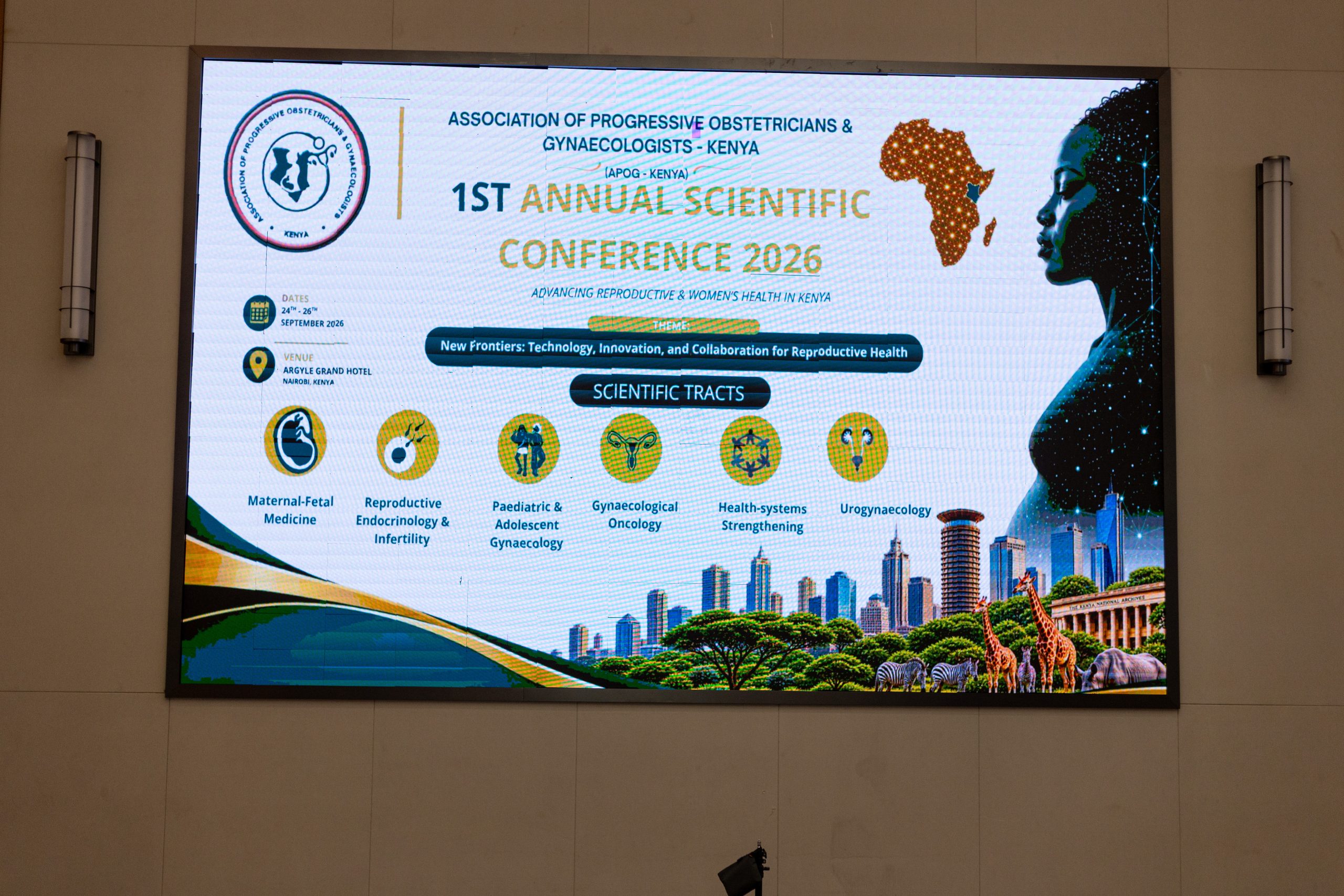
    At the Annual Scientific Congress of the Association of Progressive Obstetricians and Gynaecologists Kenya (APOG-K) in Nairobi, a panel of paediatric, obstetric and midwifery experts set out what is known about the disease, why the vaccine matters, and what must be in place before it reaches a pregnant woman through the public system. 

    A common virus with serious consequences 

    Dr. Joseph Kariuki Mbuthia, a consultant paediatrician and paediatric infectious disease specialist, opened with a local study published in January. It reviewed children admitted with acute viral respiratory infections in the population his colleagues treat. Rhinovirus and coronavirus featured prominently, but RSV was a close contender and, in his words, caused the most severe disease. 

    Dr. Joseph Kariuki Mbuthia, a consultant paediatrician and paediatric infectious disease specialist

    “It’s with us,” he said. 

    By the age of two, he explained, most children will have met the virus. It is highly infectious, and immunity does not last, so reinfections are common though usually milder. The virus enters through the lining of the nose, infects neighbouring cells and spreads down the airways towards the smaller passages of the lungs. 

    Signs of RSV 

    A child may begin with a runny nose, then develop a fever and a falling appetite. Within a day or two, breathing becomes laboured, with fast breathing and chest indrawing. In severe cases, oxygen levels fall. 

    Globally, RSV accounts for about 3.6 million hospitalisations a year and almost 100,000 deaths, Dr Mbuthia said. The great majority of those deaths occur in low and middle-income countries. “It has a high burden and a high mortality,” he said. “It’s a critical disease.” 

    In Kenya, he noted, the virus circulates through much of the year, with one peak from September to February and another around the April rains. In high-income countries, by contrast, it is mainly a winter illness. 

    Who is most at risk 

    According to Dr Mbuthia, premature infants fare worst with figures showing that among babies born between 29 and 35 weeks, admission to intensive care is common, and about 20 per cent need mechanical ventilation. Among preterm babies who catch the virus at around three months, as many as 70 per cent may need intensive care and nearly half may need a ventilator. 

    Babies with chronic conditions, including congenital heart disease, cancer and, in Kenya, sickle cell disease, are also vulnerable. 

    Exposure plays a part as well because risk rises for babies placed in childcare centres while their mothers work, for those with older siblings who bring infections home from school, and for those living with cigarette smoke or other pollutants. Babies breastfed for only a short time are more exposed, because breast milk is protective. 

    Mortality in otherwise healthy children is below 1 per cent. Among the highest-risk groups, particularly premature babies, it can reach 35 per cent. Severe cases may require a hospital stay of up to a week. 

    Dr Mbuthia told delegates that children who have had RSV face a higher risk of asthma, nasal allergy and other chronic respiratory conditions, and that some carry asthma into later life. 

    Why the vaccine is given to mothers 

    The logic of the vaccine rests on antibodies, so a mother with good immunity passes protective antibodies to her baby across the placenta. Dr Mbuthia pointed out that infants born with high levels of maternal antibodies tend to have milder disease and fewer respiratory complications. 

    The vaccine targets a fusion protein on the surface of the virus, which the virus uses to invade cells and to spread between them. A woman who receives it late in pregnancy builds antibodies that her baby inherits at birth, covering the first months of life, when the infant’s lungs are smallest and the risk is greatest. 

    The vaccine is licensed in Kenya for women from 28 weeks of pregnancy, in the third trimester.  

    Dr Nelly Bosire, an obstetrician and gynaecologist who sits on the congress organising committee, said the licence is already in place. “It just hasn’t come yet,” she told the audience. “We hope that the private sector can introduce it so that we keep going while we wait for government to get started.” 

    Behind the scenes, she said, the Ministry of Health is in advanced discussions about adding the vaccine to the national immunisation programme alongside tetanus-diphtheria (Td), which is given to pregnant women to protect against tetanus and diphtheria. 

    The Kenyan discussion takes place within an established international position. In May 2025, the World Health Organization (WHO) published its first position paper on immunisation products to protect infants against RSV, which it describes as the leading cause of acute lower respiratory infections in children worldwide.  

    The paper recommends that all countries introduce either the maternal vaccine, RSVpreF, or the long-acting monoclonal antibody nirsevimab, with the choice depending on feasibility within each country’s health system, cost-effectiveness and expected coverage. The antibody is given to the infant rather than the mother. For Kenya, that makes the choice of product part of the policy decision still to come.  

    On timing, WHO advises giving the maternal vaccine in the third trimester, from week 28 onwards, so that antibodies transfer adequately to the baby. That matches the window described by Dr Bosire. WHO has also taken steps on supply: the maternal vaccine received WHO prequalification in March 2025, which allows United Nations agencies to purchase it.  

    A 2025 Kenyan study of maternal RSV vaccination attitudes, citing clinical trial data, notes that the vaccine showed about 70 per cent efficacy against severe RSV lower respiratory infection in the first six months of life, and above 80 per cent in the first 90 days. By WHO’s vaccine safety advisers’ account, the vaccine is authorised in more than 40 countries, with differing limits on the gestational age at which it can be given.  

    WHO attaches an expectation that matters for Kenya’s record-keeping. It advises that rollout be accompanied by safety monitoring, particularly of birth outcomes among vaccinated pregnant women, beginning before or at the time of introduction. Its vaccine safety committee has also recommended guidance on collecting data from pregnant women, including vaccination status, so that surveillance works without overburdening health workers. Countries that have moved first are already doing this. Argentina, for instance, planned to monitor the vaccine’s safety during its use in the season under review.  

    Delivering these recommendations depends on health systems that can identify who was vaccinated and when. As Dr Bosire told the congress in a separate session, much antenatal care in private clinics never reaches the national data. 

    With all the progress made, no policy yet exists on who should receive the vaccine. Dr Mbuthia suggested a starting point. “Mothers with high-risk pregnancies would be good candidates,” he said, once the vaccine becomes available. Babies born preterm, or with abnormalities such as congenital heart disease, would be priorities for protection too. 

    He raised a further policy point saying that RSV is also dangerous at the other end of life, for adults over 65 with other illnesses and for those over 75, and vaccines exist for those age groups. “It should be for the two extremes in the age groups,” he said, urging policy-makers to consider older people early. 

    Moderator questions pressed the panel on evidence gaps. Dr Joyce Nyerere, a researcher whose work on RSV spans some 15 years and who works with the Ministry of Health and partners, said recent investigations had generated evidence feeding into policy decisions on whether Kenya will adopt the vaccine.  

    Dr Mbuthia explained that confirming RSV requires a PCR test on a nasal swab, usually as part of a multiplex respiratory panel. In practice, clinicians suspect RSV when an infant under two has fever, wheeze and fast breathing after a few days of cold symptoms, especially if siblings are also unwell. 

    “We don’t have any antiviral treatment for it,” he said. Care consists of supporting the baby while the illness runs its course, with oxygen delivered by whichever method the child requires. 

    Without cheaper testing, the true burden remains partly hidden, which complicates the economic case for vaccination. 

    The people who will ultimately deliver the vaccine are the nurses and midwives who staff antenatal clinics. Julie Nyamao, a certified midwife and doctoral candidate at the University of Nairobi, shared findings from interviews with health workers and focus groups with women across five public facilities and one private facility. 

    Dr Nelly Bosire, Obstetrician and Gynaecologist .

    There is a knowledge gap, she said, among both providers and mothers. Mothers know what a tetanus injection is. Few know what RSV is. 

    “We need to give them the information they require so that we do not give any rumours any space,” she said, urging that frontline staff be trained before launch. She called for stronger counselling at clinics so women can plan their visits to fall within the third-trimester window, and for clear guidance on women with other health conditions so that providers and mothers alike “feel safe, feel protected”. 

    Her research also catalogued the beliefs that complicate uptake of maternal vaccines. Some women fear that vaccines are a hidden form of family planning or can cause miscarriage. Fears around COVID-19 vaccines, including worries about deformity and sterility, lingered. Husbands and religious leaders sometimes limited women’s access to clinics. 

    Practical obstacles loom as well. Maternal and child health clinics often open only between 8am and noon or 1pm. Stock-outs mean repeat trips. Women who are not registered under the Social Health Authority face upfront payments. 

    A Kenyan survey of 400 pregnant and lactating women in Nakuru and Mombasa counties adds context. It found nearly one in four participants were “questioners”, and its authors argue that this group can be reached through tailored health promotion that supports confident decisions. The same study lists affordability, availability, delivery platforms for pregnant women, RSV seasonality and vaccine hesitancy among the main challenges.  

    Asked what she would prioritise if appointed to lead RSV introduction, Dr Bosire pointed to Argentina, now in its third year of implementation. What worked, she said, was backing from the top, with the health minister personally involved, and heavy investment in information, first for health workers and then for communities. 

    “People don’t recommend what they don’t know,” she said. 

    Evidence from the United States supports the point. In the first season after recommendations were issued there, coverage of the maternal RSV vaccine among eligible pregnant women was 32.6 per cent, and receiving a provider’s recommendation was strongly associated with vaccination.  

    Communication, in Dr Bosire’s view, must begin early. Kenyan patients are curious and willing to decide for themselves. When they distrust advice, they leave. Social media, as the HPV vaccine experience showed, can amplify doubts within days. 

    Health economists, she said, are working out what Kenya would save by vaccinating every pregnant woman, including the cost of intensive care and ventilation that paediatricians such as Dr Mbuthia would otherwise provide. She framed vaccination in historic terms. “I think vaccination is the single most effective technology we have had in the last 50 years,” she said, adding that only penicillin is likely to rival it. With antimicrobial resistance rising, she argued, the investment case is stronger still. 

  • The Continuum of Protection: Pakistan’s Path to a Maternal RSV Vaccine

    The Continuum of Protection: Pakistan’s Path to a Maternal RSV Vaccine

    Professor Imran Nisar has spent more than thirteen years working at the intersection of epidemiology and paediatrics, an unusual vantage point from which to watch a country’s vaccine landscape evolve.  

    As Associate Professor (Research) and Vice Chair (Research) in the Department of Paediatrics and Child Health at Aga Khan University, his research has ranged across vaccine epidemiology, childhood pneumonia and early childhood development, work aimed squarely at generating the kind of evidence that low- and middle-income countries need to improve health outcomes.  

    Professor Imran Nisar Associate Professor (Research) and Vice Chair,Department of Paediatrics and Child Health at Aga Khan University. (Photo: Timon Abuna, WHM)

    Through his role in the Maternal Immunisation Readiness Network in Africa and Asia (MIRNA), he now helps steer Pakistan’s contribution to a question with continent-wide implications: is the country ready to introduce a maternal vaccine against respiratory syncytial virus (RSV)? 

    His answer, laid out with the precision of a researcher who has spent a career translating data into policy, is layered rather than simple. Pakistan has proof of principle already sitting inside its own immunisation history. What it lacks is the financing architecture, and in places the system integration, to build on that foundation. 

    Professor Nisar begins with an example that requires no persuasion, because Pakistan has already lived through it. “Maternal immunisation decreases the burden of neonatal morbidity and mortality,” he said. “For example, with the maternal tetanus vaccine, we have seen near elimination of tetanus cases in many parts of the world, including some provinces in Pakistan as well.” 

    That precedent, tetanus toxoid delivered to pregnant women, offers proof that maternal vaccination can work at scale in Pakistan’s health system. RSV, he argued, represents the next frontier of that same logic. “The new generation maternal vaccines like RSV have further potential to decrease respiratory illness in the first few months of life in newborns, through passive immunisation when given during pregnancy.” 

    Professor Nisar walked through the underlying biology in plain terms, and it is worth quoting at length because it explains why timing matters so much. “The way these vaccines work is that you vaccinate the mother during pregnancy, the mother produces adequate antibodies which are then passed on to the fetus, and then the newborn is protected for the first six months of life.” 

    That six-month window is not arbitrary. It corresponds precisely to the period when infants face the greatest danger from respiratory illness. “This is the period where they are most vulnerable, and respiratory infections are one of the leading causes of death,” he said. “Along with childhood vaccination, they can form a continuum of protection, beginning from the pregnancy period up to the first six months of life, where the child is more vulnerable.” 

    He sketched what that continuum could look like in practice, pairing a maternal RSV vaccine with existing childhood immunisation. “A combination of maternal and childhood vaccine, for example RSV vaccine given in the pregnancy period and pneumococcal vaccine given in the childhood infant period, provides overall protection against pneumonia and respiratory infections.” 

    Set against that promise, however, is a gap in what Pakistan’s Expanded Programme on Immunisation currently offers pregnant women. “There aren’t many maternal vaccines part of the EPI programme currently,” Professor Nisar said. “It’s only diphtheria and tetanus, which is given during the antenatal period. There was a COVID vaccine which was given during the pandemic times. Besides that, there are recommendations for other vaccines like influenza, but those are not part of the immunisation programmes.” 

    The consequence, he noted, is limited reach. “So the coverage is really low.” 

    In terms of introduction of a new maternal vaccine into the country’s EPI programme, Professor Nisar said that the biggest challenge at the moment was the financing part. 

    He situated that challenge within a shifting global funding landscape that is squeezing immunisation budgets across the region. “With the changing landscape of the Gavi financing mechanisms, where countries have faced significant budgetary cuts, introduction of any new vaccine is becoming a big challenge, because countries are at the moment trying to sustain their existing programmes.” 

    Public confidence, particularly around anything administered during pregnancy, carries its own weight. “There are aspects related to the safety and acceptance of the vaccine, especially when something is given during pregnancy. Is it safe for the unborn child or not? These are also some of the greatest aspects in relation to the introduction of a new vaccine.” 

    What MIRNA is actually building 

    Professor Nisar’s account of the consortium’s methodology reads almost like a checklist for how a country moves from uncertainty to an evidence-based decision. It starts with disease burden. “The way the MIRNA consortium is structured is that it’s trying to generate evidence, first of all, in terms of what is the overall burden of these infections in these priority countries. For example, what is the burden of RSV, how many hospitalisations does it cause, how many children die from RSV in the first six months of life.” 

    That burden data then feeds directly into a projection of impact. “That can then be translated to: if you have a highly effective vaccine, which we have, and scale it up to a good coverage, and multiply it by the effectiveness of the vaccine, how many hospitalisations and mortality can you prevent.” 

    From there, the analysis turns financial. “Then you can bring in the cost element of it, like what would be the potential cost of the introduction of the vaccine, and then also what would be the potential cost saved in terms of the illnesses averted or hospitalisations prevented.” 

    Health system readiness forms the next strand of MIRNA’s work, examining whether Pakistan’s facilities and platforms could actually deliver the vaccine once approved. “The other aspect we are looking at is health systems readiness. Are our health systems, the hospitals, ready for the introduction of a new maternal vaccine? Are the antenatal care systems and the EPI systems integrated with each other?” 

    Finally, the consortium turns to the people the vaccine is meant to protect. “Looking at it from the demand perspective as well, would a new maternal vaccine be acceptable to pregnant women, and what would be the factors that would be driving the acceptance of these vaccines?” 

    From evidence to decision 

    Every strand of that work, Professor Nisar explained, is designed to converge on a single outcome: giving Pakistan’s decision-makers something concrete to act on. “Eventually translating these into policy briefs, through which the stakeholders and policymakers can make informed decisions, based on both the burden perspective as well as the financial perspective.” 

    It is a methodical, unglamorous case, built from hospitalisation counts, cost projections and system audits rather than appeals to urgency alone. But for a researcher whose career has been defined by turning epidemiological data into practical health policy, that may be precisely the point. 

    Pakistan already has one maternal vaccine success story in tetanus. Whether RSV becomes the next chapter in that continuum of protection, in Professor Nisar’s telling, now rests less on scientific doubt than on financing and system readiness catching up with what the evidence already shows. 

  • Ethiopia’s Hidden Pneumonia Killer: Why RSV Deserves a Place in the Vaccine Schedule 

    Ethiopia’s Hidden Pneumonia Killer: Why RSV Deserves a Place in the Vaccine Schedule 

    For decades, Ethiopia has fought pneumonia with the tools it had. 

    These tools include using vaccines against pneumococcus, Haemophilus influenzae type B and measles, each rolled into the infant immunisation schedule at six, ten and fourteen weeks. Yet the disease remains the leading cause of illness and death among children under five in the country, claiming lives even as coverage of existing vaccines has climbed. 

    Dr Bersabeh Mekasha Kassaye, a clinical researcher, physician and the Maternal Immunisation Readiness Network in Africa and Asia (MIRNA) manager in Ethiopia, believes she knows why. The country has been fighting the wrong shortlist of pathogens, or rather, an incomplete one. 

    –Dr Bersabeh Mekasha Kassaye, clinical researcher, MIRNA manager, Ethiopia. (Photo: Timon Abuna, WHM) 

    “Ethiopia, like many low- and middle-income countries, has battled with the fight against pneumonia for several years and decades,” she said. “Unfortunately, pneumonia is still the number one contributor to morbidity and mortality among under-five children in Ethiopia.” 

    The existing vaccine schedule targets three well-established culprits. Streptococcus pneumoniae is covered by PCV13. Haemophilus influenzae type B is addressed on the same dosing timeline. Measles, too, has long been recognised as a driver of childhood pneumonia and is covered accordingly. Despite this layered defence, pneumonia still accounts for roughly a fifth of childhood deaths in Ethiopia. 

    Dr Kassaye argues that respiratory syncytial virus, or RSV, is the missing piece. “It may not be that RSV is the number one cause contributing to pneumonia, but it is a major viral cause,” she explained. Crucially, a solution already exists elsewhere in the world. “What’s great is that now we have a vaccine for it.” 

    Two delivery routes have emerged internationally: a monoclonal antibody given directly to infants, and a maternal vaccine administered to pregnant women, with protective antibodies passed transplacentally to the fetus, shielding neonates and young infants during their most vulnerable weeks. Both approaches have already been introduced across several high-income countries. 

    For Ethiopia, Dr Kassaye is unambiguous about which route makes practical sense. “It is important that Ethiopia considers introducing a vaccine against RSV, and the most practical way for low- and middle-income countries like Ethiopia is the maternal RSV vaccine.” 

    The iceberg problem 

    If the case for a vaccine sounds strong, the evidence behind it is thinner than campaigners would like, and Dr Kassaye is candid about why. Diagnosing RSV reliably requires PCR testing, a costly and logistically demanding process that few Ethiopian facilities can sustain at scale. Cheaper rapid diagnostic tests exist, but they fall short of the gold standard. 

    The consequence is a fragmented and probably understated picture of the disease. “We don’t have a strong testing capacity for RSV,” she said. “So, we know the burden of RSV is the tip of the iceberg.” 

    What data does exist comes largely from sentinel surveillance sites rather than nationally representative studies, and the figures swing widely depending on season and setting. Estimates of RSV’s contribution to childhood pneumonia range from around 15 per cent up to 40 per cent during flu seasons. A pooled analysis conducted within MIRNA settled on roughly 16 percent of RSV-associated lower respiratory tract infections and around 21 percent of RSV-associated acute respiratory illnesses, figures Dr Kassaye  notes that “These don’t really represent the actual picture on the ground,” she cautioned. 

    That gap places Ethiopia in a familiar bind, one echoed across the wider MIRNA consortium. At the network’s Nairobi meeting, Ethiopian researchers presenting separate findings on group B streptococcus reached a strikingly similar verdict: there was enough evidence to flag a public health problem, but not yet enough to guide policy with full confidence. RSV, it seems, sits in the same uncomfortable middle ground, plausible, worrying, but insufficiently measured. 

    The strongest part of Dr Kassaye’s argument may be one that extends beyond RSV altogether. Protecting infants from RSV, she contends, does not simply reduce cases attributed directly to the virus. It appears to dampen pneumonia’s overall toll, across causes. 

    She pointed to a study published only the week before her interview, examining the effect of RSV monoclonal antibodies on invasive pneumococcal disease hospitalisation. The results showed a reduction of around 30 per cent, a figure that startled even those familiar with the field. Her explanation draws on a wider principle in respiratory medicine: viral infections frequently pave the way for secondary bacterial illness, so blocking the virus can blunt the bacterial threat that follows. 

    “A vaccine against RSV would not just decrease the healthcare burden and the economic burden associated with RSV, but also the burden associated with all-cause pneumonia and all-cause lower respiratory tract infection.” 

    Ethiopia’s predicament mirrors debates playing out across MIRNA’s nine member countries, from Bangladesh to Uganda, each wrestling with how to translate patchy local data into a case robust enough to persuade ministries and financiers. Kenya’s Kilifi site has produced what one expert at the Nairobi gathering called “phenomenal” RSV data, sufficiently strong that officials there barely need a systematic review to make their case. Ethiopia, by its own researchers’ admission, has further to go. 

    Professor Shabir Madhi of South Africa, addressing the same consortium, argued that RSV needs reframing in the public imagination much as pneumococcal vaccines once were, marketed not as protection against an obscure pathogen but as a defence against pneumonia itself, a killer every parent and minister instinctively understands. 

    Dr Kassaye’s account suggests Ethiopia is edging towards that same reframing. The testing infrastructure remains inadequate. The epidemiological picture is incomplete. But the underlying logic, that a widely available maternal vaccine could meaningfully reduce childhood deaths from the country’s biggest killer, is difficult to dismiss. 

    As she put it, a disease “claiming so many lives of children and infants and neonates” deserves every tool available, even one whose exact scale in Ethiopia is still being pieced together. 

  • Nigeria’s newborn deaths have barely moved in a decade. A maternal vaccine could help, if the country is ready

    Nigeria’s newborn deaths have barely moved in a decade. A maternal vaccine could help, if the country is ready

    Professor Hadiza Galadanci was the first female obstetrician trained in Nigeria’s Kano region, and she has spent close to four decades combining frontline clinical work with research that has shaped policy across West Africa.  

    She holds an MBBS from Ahmadu Bello University, a Master’s in Reproductive and Sexual Health Research from University College London, and fellowships of the West African College of Surgeons and the Royal College of Obstetricians and Gynaecologists in the United Kingdom. She has led the Nigerian arm of the Maternal Immunisation Readiness Network in Africa and Asia (MIRNA), and TIME magazine named her among the 100 most influential people in health in 2024. 

    –Professor Hadiza Galadanci, obstetrician MIRNA Lead Nigeria (Photo: Timon Abuna, WHM)

    Decades spent delivering babies alongside decades spent shaping the policies that decide whether those babies survive give her view of Nigeria’s neonatal mortality crisis its weight. 

    A decade of stalled progress 

    Professor Galadanci begins with the numbers. “Nigeria contributes a lot in terms of neonatal mortality,” she said. “Sometimes they say 41 per 1,000, sometimes 51 per 1,000.” What troubles her is how little the figure shifts. “Within the last almost a decade, we have not improved our neonatal mortality enough in Nigeria.” 

    The latest national survey supports her and a glance at the 2023-24 Nigeria Demographic and Health Survey puts neonatal mortality at 41 deaths per 1,000 live births, roughly one infant in 25 dying within the first month of life. That is almost unchanged from 39 per 1,000 five years earlier, even as under-five mortality fell from 132 to 110. The rate stood at 48 in the 2003 survey, so two decades have delivered a fall of seven points.  

    Kano, where Professor Galadanci trained, recorded the highest state neonatal mortality rate in the survey, at 59 per 1,000. Federal health officials accept the problem. The Ministry says 40 to 45 per cent of under-five deaths occur in the neonatal period, and has pointed to its Maternal and Neonatal Mortality Reduction Initiative and the Nigeria Child Survival Action Plan 2025 to 2029 as its response.  

    The causes, Professor Galadanci said, are well known. “The common causes of neonatal death are prematurity and then infections. One of the infections is lower respiratory tract infection, and RSV, respiratory syncytial virus, causes a lot of those.” 

    A vaccine within reach 

    Unlike prematurity, RSV now has a preventive tool. “Now we have a vaccine that you can give the mother. And if you give that mother that vaccine, then she is going to protect the baby.” 

    The science behind her optimism is recent because the vaccine, Abrysvo, is given as a single dose between 32 and 36 weeks of pregnancy, and the mother’s antibodies cross the placenta to protect the infant during the first six months of life. The World Health Organization has prequalified it, and that status lets Gavi and UNICEF procure it for eligible low- and lower-middle-income countries, where it had not previously been used. A recent review of randomised and real-world studies found substantial protection against infant RSV disease.  

    In her view, nothing matters more for preventing neonatal deaths than tackling RSV, and maternal immunisation can do it. 

    What MIRNA asks of a country 

    Professor Galadanci describes Maternal Immunisation Readiness Network in Africa and Asia (MIRNA)’s work as a sequence of questions that any country must answer before a new vaccine enters its schedule. 

    The first is burden. “Is the vaccine really addressing a disease that is of high burden? So we need to know what is the burden of RSV infection. And we have that from our maternal consortium work.” That evidence, drawn from MIRNA’s member countries, shows RSV to be a genuine driver of infant death and gives Nigeria’s National Immunisation Technical Advisory Group (NITAG) grounds to act. 

    The second is readiness. “Our readiness starts from policy. Do we have policies in place that can allow this vaccine to be introduced? Do we have funding for it? Do we have monitoring and evaluation for it? Do we have community awareness about it?” Every answer, she stressed, has to be found before rollout, not afterwards. 

    The third is cost. “What is the amount of money you need to introduce this vaccine, and is it really cost-effective? Because you can introduce a lot of money and at the end of the day it’s not cost-effective.” 

    Safety monitoring belongs in the same review. Another maternal RSV candidate, from GSK, was not taken forward after an imbalance in preterm births ended its trial early. Researchers have since modelled the possible trade-offs of preterm birth risk against deaths averted for Abrysvo in South Africa. Professor Galadanci did not raise this in her interview, but it shows why her insistence on monitoring and evaluation is more than a formality. 

    Carrying everyone along 

    No introduction succeeds on epidemiology and economics alone. “Who are the stakeholders? You need to make sure that you carry along all the right stakeholders, because if you miss any stakeholder, then you are in trouble.” 

    Her list reaches well beyond health officials. “The stakeholders are professional bodies, healthcare workers, policymakers, religious leaders, women’s groups. Even the patients, even parents of survivors, parents of babies that have been lost from RSV.” 

    Demand cannot be assumed once supply exists. “You can have the vaccine and then nobody comes to take it. So you need to know from the aspect of the women themselves, are they really ready to take this vaccine?” 

    The fix she returns to most forcefully is integration. In Nigeria, as in much of MIRNA’s membership, antenatal care and routine immunisation run on separate tracks. “Maternal care is usually given in an antenatal clinic, and then immunisation is given in what we call the expanded programme of immunisation. And these are two different programmes. Now we need to bring these programmes together.” 

    She sees this as the precondition for the vaccine reaching mothers at all. “In the antenatal clinic you can have vaccines as well, and whatever you need to do in EPI, you’re able to do it in the antenatal in terms of data collection and so on. So there must be integration, from the highest level of policy to integration at the level of service delivery.” 

    Professor Galadanci’s argument is that no baby should die of a preventable infection when a maternal vaccine exists. What distinguishes her account is its practicality. Burden, readiness, cost-effectiveness, stakeholders, demand and integration form a working list, and she can say which items Nigeria still has to tick off. 

    The national survey shows a rate of 41 per 1,000, that has held steady while child mortality overall has improved, and Kano’s 59 shows where the pressure is greatest. A vaccine alone will not close that gap, but a country that answers her questions honestly could make sure it is used well. 

  • The mother-in-law factor: what Kenya’s MIRNA data reveals about vaccine trust 

    The mother-in-law factor: what Kenya’s MIRNA data reveals about vaccine trust 

    If you want to understand why some maternal vaccines succeed and others stall before they’ve even begun, Dr Hellen Barsosio has a starting point that might surprise you.  

    Dr Barsosio a Principal Clinical Research Scientist at the Kenya Medical Research Institute (KEMRI), working alongside the Liverpool School of Tropical Medicine.  

    She also leads Kenya’s arm of the Maternal Immunisation Readiness Network in Africa and Asia (MIRNA) a nine-country consortium preparing health systems for the introduction of new maternal vaccines. Across those nine countries, one theme keeps resurfacing, a pregnant woman rarely makes a vaccination decision alone. 

    For a moment, think about a pregnant mother’s mother-in-law, she said. 

    –Dr Hellen Barsosio, Principal Clinical Research Scientist (KEMRI), MIRNA lead, Kenya. (Photo: Timon Abuna, WHM)

    “So, for the members, let their spouses know, their mothers-in-law, their grandmoms that’s how you build trust,” she says. It’s a deceptively simple instruction, but it reframes the entire demand-generation problem. A leaflet handed to a pregnant woman in a clinic waiting room reaches one person. A husband, a mother-in-law and a grandmother who understand and support the vaccine reach the household and, by extension, the wider social network that shapes what that household considers normal and safe. 

    Behind that observation sits a body of evidence that Dr Barsosio describes as remarkably consistent.  

    “That’s the clearest evidence that has come from, more than the last five years of new maternal vaccine studies before MIRNA, from ours that women are more likely to take a vaccine if it’s explained to them by a healthcare provider.” It’s a finding echoed by WHO’s own Behavioural and Social Drivers of Vaccination (BeSD) framework, developed with the Strategic Advisory Group of Experts on Immunisation, which repeatedly identifies health workers as among the most trusted sources of information on immunisation anywhere in the world and a provider’s recommendation as one of the single biggest levers on a caregiver’s decision.

    But that finding, Dr Barsosio argues, cuts both ways. If trust in the provider is what moves the needle, then building that trust “also means educating providers and supporting providers.” A vaccine demand strategy that pours resources into public messaging while leaving frontline nurses under-informed is building on sand. 

    This is where Dr Barsosio identifies what she calls the consortium’s central bottleneck. “Our biggest bottleneck at the moment is how knowledge not only the policy knowledge itself, but the knowledge about the vaccine trickling down to providers sometimes takes too long.” And that lag is not a neutral delay. “That knowledge gap and space gap then creates room for misinformation.” 

    It is a dynamic familiar from Kenya’s own MIRNA health-system readiness data, where facility-level assessments found that immunisation staff typically receive training on childhood vaccines but nothing dedicated to maternal immunisation specifically, leaving inconsistent knowledge of vaccine safety even among vaccinators themselves. The same gap has been documented well beyond Kenya, a systematic review of pre-service immunisation training found that most of the available evidence on preparing health workers for vaccination comes from high-income settings, with far less known about how nurses and vaccinators in lower-resourced systems are, or aren’t, being equipped before they ever see a patient. 

    Dr Barsosio’s proposed fix is to start earlier and start now. “If we know we have new maternal vaccines on the horizon, let’s introduce it in the curriculums right now in nursing schools, in medical schools. They come out knowing about it.” She said adding that: “So when it’s implemented, say two years or five years down the pipeline, they’ll know about it.” 

    Kenya has already piloted precisely this approach with routine childhood immunisation. Kenya Medical Training College, working with WHO’s Regional Office for Africa and international partners, revised its nursing and midwifery curricula to build immunisation content directly into pre-service training, using prototype curricula that WHO first developed for the African region and updated in 2015. The rationale is what Dr Barsosio applies to maternal vaccines now which she says is far easier to graduate a workforce that already understands a new vaccine than to retrain one after the fact, under pressure, once a rollout is already under way. 

    Even a well-trained provider, though, runs into a second, more mundane obstacle, time. “Empower the nurses,” Dr Barsosio says. “Our clinics are really full. I think we’ve heard from some of our health systems data you have one nurse who delivers all of these interventions. She’s overworked, meaning that time for counselling is quite thin.” 

    That single overstretched nurse is a recurring image across MIRNA’s country findings from Kenya’s own facility assessments to Burkina Faso’s account of ANC sessions so overcrowded that “on vaccination day they don’t have time to answer your questions.” However strong a provider’s knowledge, Dr Barsosio’s point is that knowledge cannot substitute for the minutes required to actually deliver it. 

    Her solution is to widen the circle of trusted messengers rather than pile more onto the same nurse. “It could be a group talk before the beginning of services at the day. It could be supplementing support like using lay healthcare workers, like community health volunteers or community health promoters to be able to supplement how that information is delivered, with the support of nurses, for instance, or support of vaccinators.” 

    WHO views task-shifting more broadly as a viable way of improving healthcare coverage by making fuller use of the workforce that already exists, and community health workers have been shown, in settings from Malawi to Burkina Faso, to take on real demand-generation duties running health talks, mobilising communities, fielding questions and dispelling myths precisely the counselling load that would otherwise fall entirely on a single vaccinator.  

    As Dr Barsosio puts it, the goal is simply “building the pool of more trusted sources who can give this information.” 

    Vaccine confidence in Bangladesh, Kenya, Nigeria and everywhere else MIRNA has looked is manufactured through campaigns and also inherited through relationships between a woman and her mother-in-law, between a patient and a nurse she has known for years, between a health system and the public it has or hasn’t earned the confidence of.  

    Dr Barsosio’s contribution is to insist that none of those relationships can be left to chance. Providers must be taught early, supported properly, and given the time, or the reinforcements, to actually talk to the women in front of them. Get that right, she suggests, and the mothers-in-law and grandmothers will follow. 

  • Maternal vaccination can close the immunity gap for newborns

    Maternal vaccination can close the immunity gap for newborns

    Despite remarkable progress in child survival, newborn deaths remain a major challenge in Bangladesh. According to recent estimates , about 60,000 newborns die each year in the country, with nearly three-quarters of these deaths occurring in the first week of life. Many of these deaths are caused by infections that strike before infants are old enough to receive routine vaccines. While Bangladesh expanded childhood immunisation and maternal health services over the past decades, protecting babies in the earliest days of life requires additional strategies. Maternal vaccination, which allows mothers to pass protective antibodies to their babies during pregnancy, offers a promising opportunity to reduce these preventable deaths and strengthen newborn survival. Yet, despite this potential, maternal immunisation remains absent from routine pregnancy care in Bangladesh, reflecting a collaboration gap between antenatal care services and the national immunisation programme.

    The recent measles outbreak in Bangladesh, where around 50 children have died and hundreds of cases have been reported this year, serve as a reminder of the risks posed by immunity gaps and the consequences of delayed or incomplete protection against infectious diseases. While measles primarily affects older infants and children, it reflects broader vulnerabilities in maintaining population immunity and protecting those who are too young to be vaccinated. This underscores the importance of complementary strategies such as maternal vaccination, which can provide early protection to newborns and help bridge the critical window before routine vaccination.

    Maternal vaccination falls between two health platforms. Vaccine delivery is managed through the Expanded Programme on Immunization (EPI), while pregnancy care is provided through antenatal services. Because these systems often operate in parallel, vaccination is not routinely integrated into antenatal visits, and opportunities to counsel or vaccinate pregnant women may be missed. Bridging this gap will be essential to expand maternal immunisation and prepare for new vaccines that protect mothers and newborns.

    Encouragingly, public trust in vaccines remains one of Bangladesh’s greatest strengths. Decades of successful childhood immunisation have built strong confidence among communities, families, and frontline health workers. National immunisation coverage for many childhood vaccines remains above 90 percent, and vaccination has become widely accepted as a normal part of protecting children’s health. Many women, therefore, view vaccination as an important step in safeguarding their own and their babies’ health. In community discussions, participants frequently expressed willingness to accept vaccines when they understand their benefits. As one pregnant woman mentioned during our qualitative fieldwork, “If the doctors or healthcare providers explain that this will help the child and prevent illnesses, of course I will say yes. Why would I want harm?” This deep-rooted trust creates a favourable environment for introducing new maternal vaccines, provided that pregnant women receive clear information and guidance from trusted health providers.

    Antenatal care offers one of the most promising platforms for strengthening maternal immunisation in Bangladesh. According to the Bangladesh Demographic and Health Survey 2022, more than 85 percent of women receive at least one antenatal care visit during pregnancy. These contacts provide crucial opportunities to counsel women about vaccination and deliver vaccines at the right time. Timing is particularly critical for maternal vaccines, as they are most effective when administered during specific stages of pregnancy. Accurate assessment of gestational age is therefore essential. Ultrasound examinations, used by 94 percent of women who sought antenatal care during their pregnancies, can help determine gestational age and support the appropriate timing of maternal vaccination. However, a significant proportion, around 70 percent of antenatal care in Bangladesh is delivered through the private sector, where vaccination services are not always systematically integrated with the national immunisation programme. Strengthening coordination among immunisation programmes, public antenatal care services, and private providers could transform routine pregnancy visits into effective opportunities for maternal vaccination.

    At the same time, the global maternal immunisation landscape is evolving rapidly. Tetanus toxoid-containing vaccines have long been administered during pregnancy to prevent maternal and neonatal tetanus, and some countries have introduced pertussis vaccination for pregnant women to protect newborns from severe respiratory infection. More recently, maternal vaccines against respiratory syncytial virus (RSV) have emerged as a promising tool to reduce severe illness in early infancy, while vaccines against Group B Streptococcus (GBS) are under development. Importantly, these vaccines are also considered highly cost-effective public health strategies because a single dose given during pregnancy can protect newborns during their most vulnerable months and reduce hospitalisations and healthcare costs. For Bangladesh, these innovations present both opportunities and challenges. While maternal vaccines could significantly strengthen newborn protection, their successful introduction will require preparedness across the health system. Without clear delivery strategies, provider training, and coordination across health services, new vaccines may face delays or low uptake. Planning must begin well before the vaccines arrive.

    Research and evidence will play a critical role in guiding this process. The Maternal Immunisation Readiness Network in Africa and Asia (MIRNA), funded by the Gates Foundation, is a nine-country consortium working to strengthen the evidence base for maternal vaccination in low and middle-income countries, including Bangladesh. Through collaborative research, the network aims to understand maternal vaccine demand, acceptance, and implementation challenges across health systems to help policymakers address key questions before introducing new maternal vaccines.

    Protecting newborns begins before birth. As maternal vaccines such as those for respiratory syncytial virus (RSV) and Group B Streptococcus (GBS) approach introduction, Bangladesh has an opportunity to prepare its health system now. Recent measles outbreaks point to the need for stronger efforts to close immunity gaps early in life, through routine immunisation, including vaccination during pregnancy. Strengthening coordination across immunisation and maternal health services, engaging both public and private providers, and building on the country’s strong trust in vaccines can make maternal vaccination routine part of pregnancy care and help protect newborns in their most vulnerable early days. 

  • Bangladesh needs a national RSV vaccination strategy

    Bangladesh needs a national RSV vaccination strategy

    Respiratory syncytial virus, known as RSV, is a common virus that most adults mistake for a mild cold when affected. Common symptoms such as a runny nose, slight cough, or a low-grade fever rarely cause concern. But for babies under 12 months of age, RSV can turn deadly. In newborns, severe RSV infection attacks the lungs, causing excessive breathing difficulty and leading to serious illness such as pneumonia and bronchiolitis. As RSV appears more or less harmless in older children and healthy adults, it is frequently underestimated, allowing the virus to spread unnoticed until a baby becomes critically ill.

    In early 2025, a premature 10-week-old in Dhaka was rushed to the hospital, struggling to breathe. What began as a mild cold quickly became a medical emergency. Doctors diagnosed RSV, and the baby required oxygen support and intensive care to survive. In one of many similar cases, a six-week-old baby girl in rural Bangladesh fought the virus and narrowly survived after prolonged hospitalisation. These are not isolated cases. Across hospitals in Bangladesh, infants are repeatedly admitted with severe RSV infection, raising serious concern among healthcare providers, yet remaining largely unnoticed beyond hospital walls. 

    From October to April each year, RSV circulates widely across the country. During this peak season, hospitals admit thousands of infants with severe respiratory illness. Many arrive too late. RSV is now one of the leading viral causes of pneumonia, which remains the leading cause of death among children under five in Bangladesh.

    Evidence clearly shows the scale of the problem. Globally, a major international health study published in 2024 by The Lancet, one of the world’s leading medical journals, estimates that RSV infects about 33 million children under five, leading to 3.6 million hospitalisations and more than 118,000 deaths every year. In Bangladesh, the latest Global Burden of Disease estimates indicate that RSV contributes to more than 500 child deaths annually and accounts for over 47,000 years of healthy life lost. Even more concerning is that RSV-related deaths among Bangladeshi children have increased steadily over the past three years. 

    This virus is especially dangerous because it strikes babies before they are old enough to receive routine childhood vaccines, creating a critical gap in protection. The question, therefore, is not whether RSV is serious, but how we can protect infants during this most vulnerable period of life. 

    One proven solution is maternal immunisation. When a pregnant woman is vaccinated, her body produces protective antibodies that pass to her baby before birth, providing immediate protection from day one. This approach is not experimental. Bangladesh has already used maternal vaccination to nearly eliminate newborn tetanus. Additionally, many high and low-middle income countries now offer maternal vaccines for whooping cough, influenza, Covid, and, most recently, RSV. Maternal immunisation has become standard public health practice, not an exception.

    After decades of research, we now have new tools to prevent RSV. In 2023, the first RSV vaccine for 32-36-week pregnant women was approved for use. In 2025, the World Health Organization (WHO) prequalified this vaccine, confirming that it meets global standards for safety and effectiveness. This creates an important policy opportunity for Bangladesh, with potential financial support from the Global Alliance for Vaccines and Immunization (Gavi), which works to expand access to life-saving vaccines in low-income countries. 

    Some may also be concerned about whether Bangladesh can deliver vaccines at the correct stage of pregnancy. But Bangladesh already delivers time-sensitive antenatal interventions every day. For example, pregnant women receive tetanus vaccines at specific stages, and antenatal corticosteroid injections are given to mothers at risk of preterm birth to help mature a baby’s lungs before delivery. These services rely on accurate timing and existing antenatal care systems. With appropriate guidance and digital tracking, the same systems can safely support maternal RSV vaccination.

    Evidence from real-world settings is compelling. In Argentina’s 2024 RSV vaccine rollout, where about 60 percent of pregnant women were vaccinated, severe RSV illness in infants fell by nearly 75 percent. Hospital admissions dropped sharply, intensive care admissions declined by more than three-quarters, and, notably, all RSV-related infant deaths occurred among babies whose mothers had not been vaccinated. The message is simple and clear: vaccinating mothers saves babies’ lives.

    Bangladesh is not starting from scratch. The country is globally well recognised for its Expanded Programme on Immunization (EPI), which has achieved high childhood vaccine coverage and dramatically reduced diseases like measles and polio. The delivery platforms, cold chain systems, trained health workers, and public trust already exist. What is missing is a coordinated maternal immunisation platform that brings pregnancy-based vaccines into routine antenatal care across both public and private sectors.

    Digital systems under Bangladesh’s national Health Management Information System (HMIS) are already in place. These systems can register pregnancies, schedule vaccines, and send reminders. With better use of these tools, maternal and child immunisation services can remain closely connected, ensuring no woman or baby is missed. Public awareness is equally important. Expectant parents need to know that maternal vaccines are safe, carefully tested, and designed to protect both mother and child. Bangladesh has shown sustained leadership in public health, from pioneering oral rehydration therapy to achieving high childhood immunisation coverage. Maternal immunisation is the next step in the trajectory. 

    Policymakers must establish a dedicated platform and formally include RSV vaccination within national immunisation guidelines for pregnancy. Health managers must integrate maternal vaccination into routine antenatal care. Development partners, including Gavi, should align financing to support rapid introduction. Healthcare providers must be trained and supported to counsel and vaccinate pregnant women, even in busy and resource-constrained settings. Delay will cost lives. With the systems, evidence, and experience already in place, Bangladesh has a real chance to protect its newborns and infants before serious illness takes hold. When we vaccinate a mother, we protect two lives and secure the promise of tomorrow.